
Beyond the Car: LEED Platinum Living at The Havens
- Award Year: 2025
- Award Category: Residential Design
- Award Designation: Merit Award
- Client: East West Partners
- Location: Town of Snowmass Village, Colorado
- Photography credit: Brandon Huttenlocher / Design Workshop, Inc.




Summary
A surge in urban migration to mountain towns and tourism-driven growth has created a planning conundrum in rural resort communities. Car-centric development is shaping small towns, affecting transportation, affordable housing, and open space conservation. Large-scale development on mountain hillsides impose driveways and parking on shared spaces, limiting walkability and connections to nature.
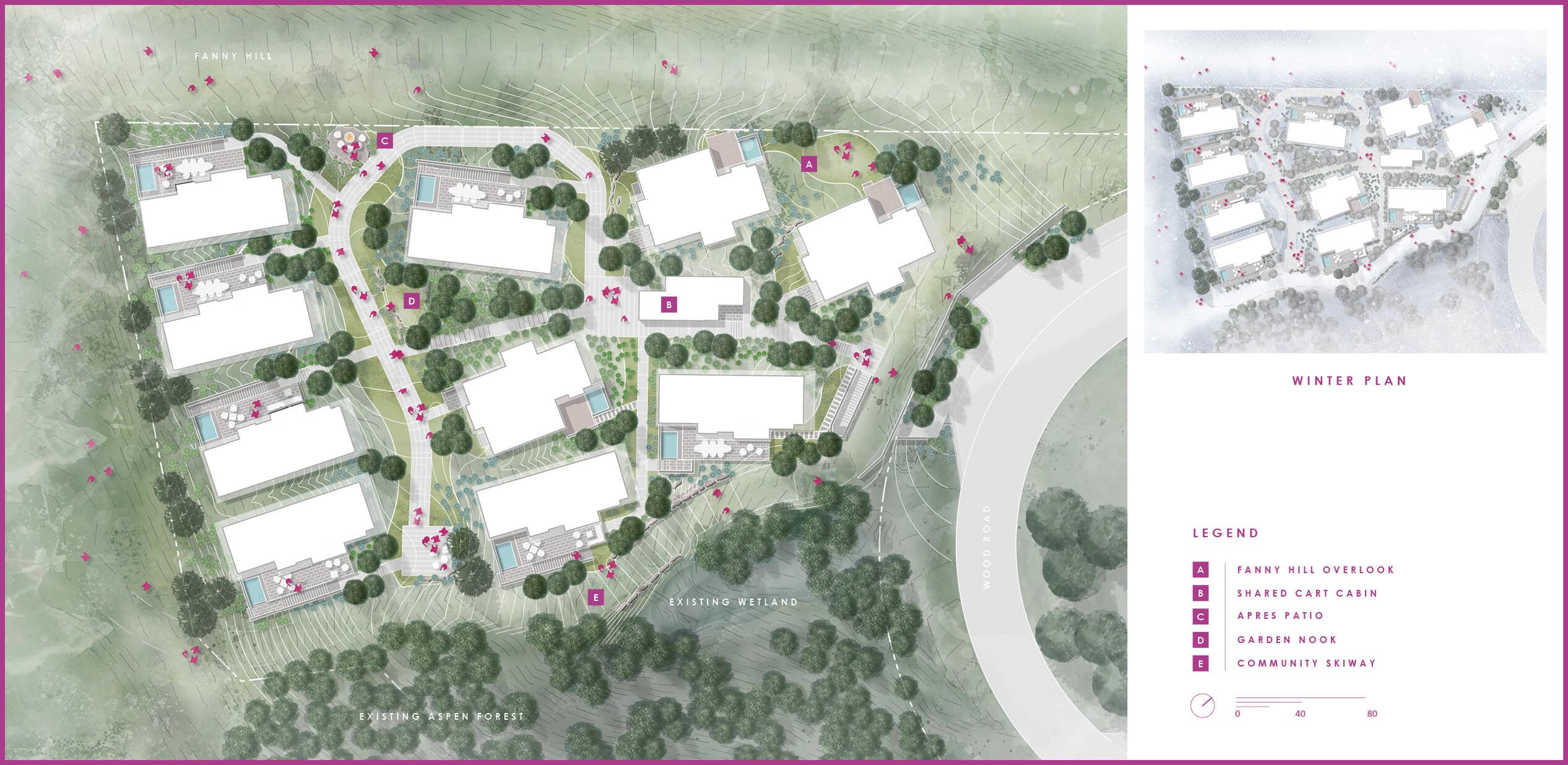
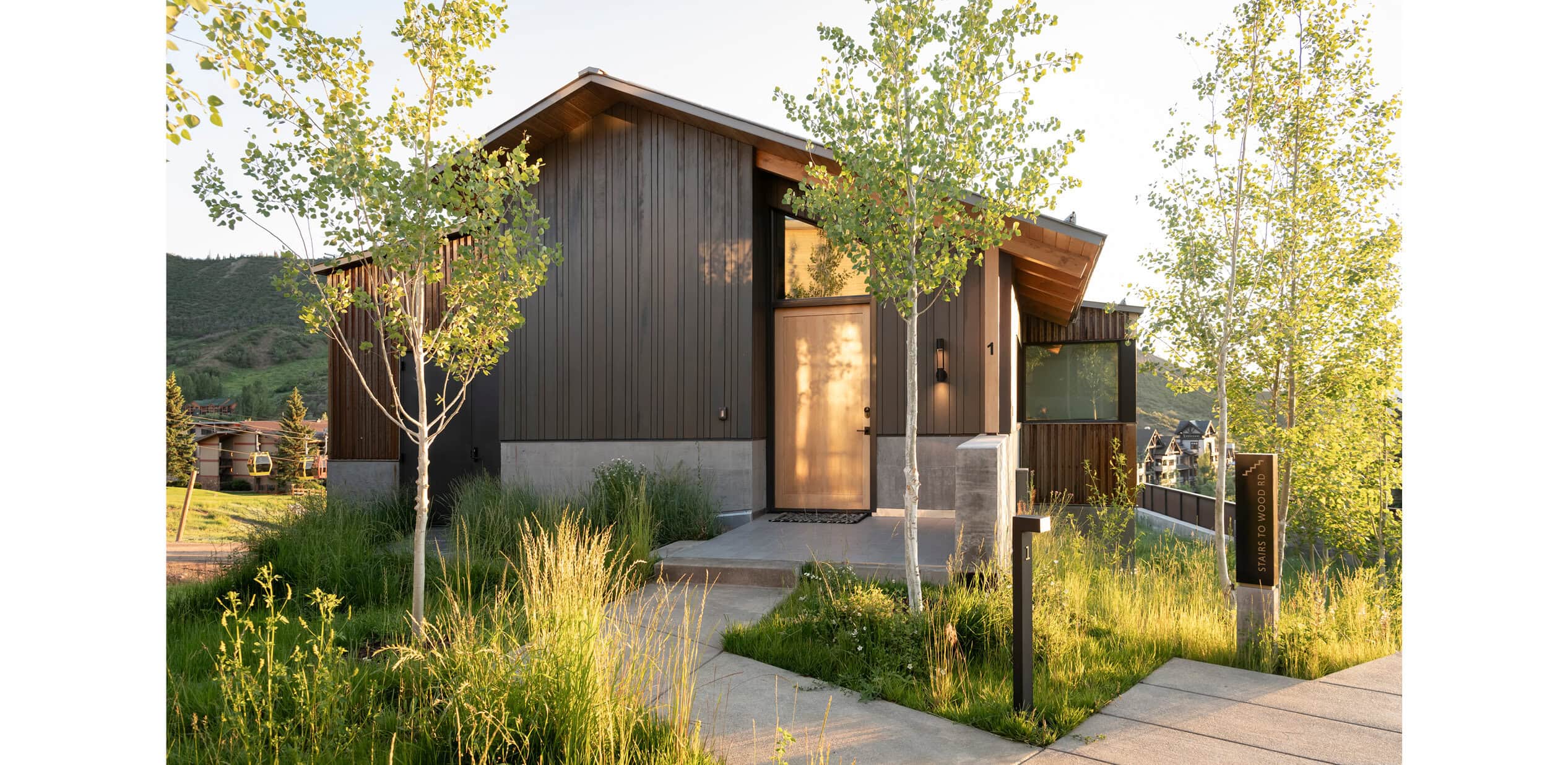
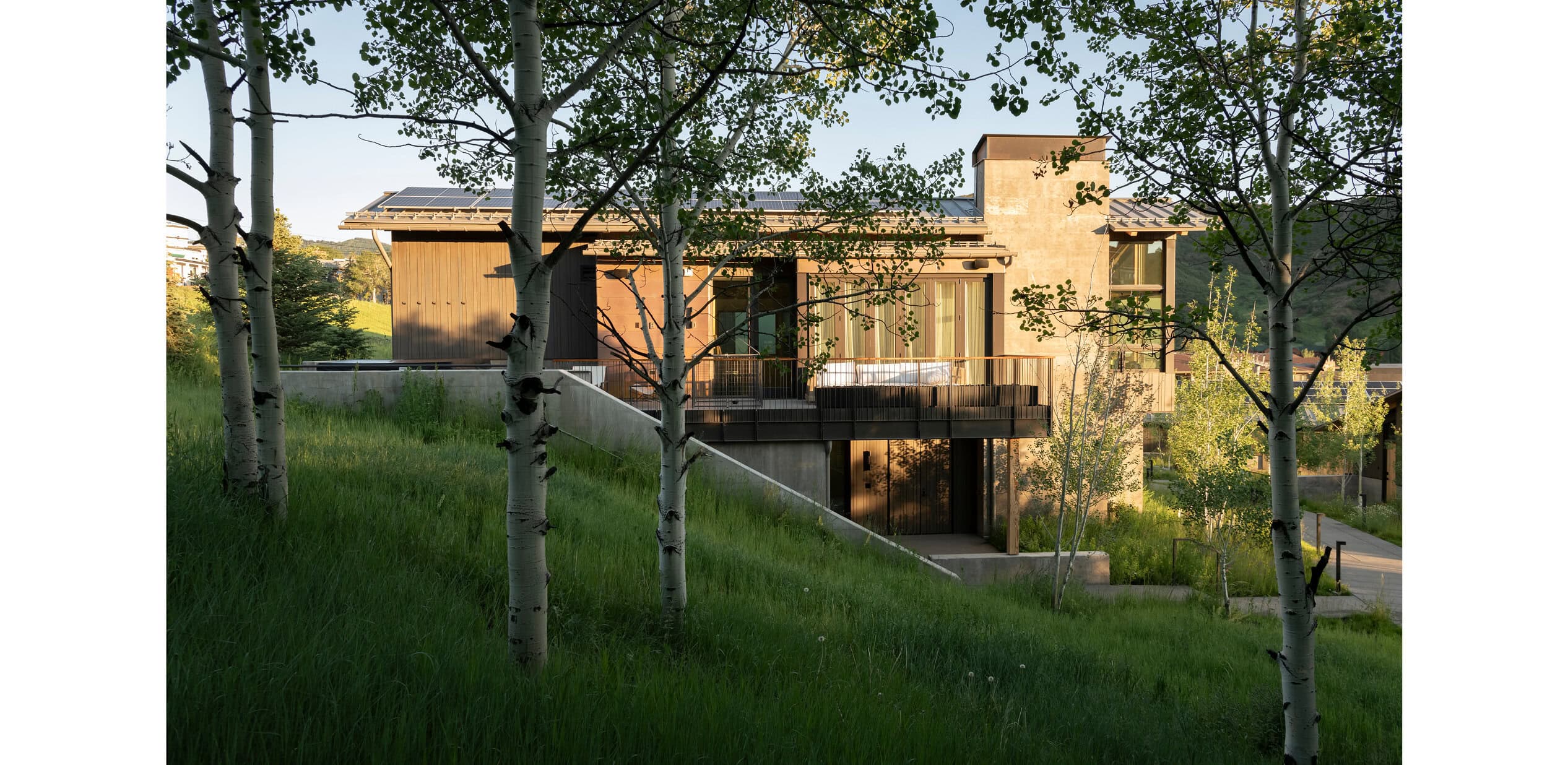
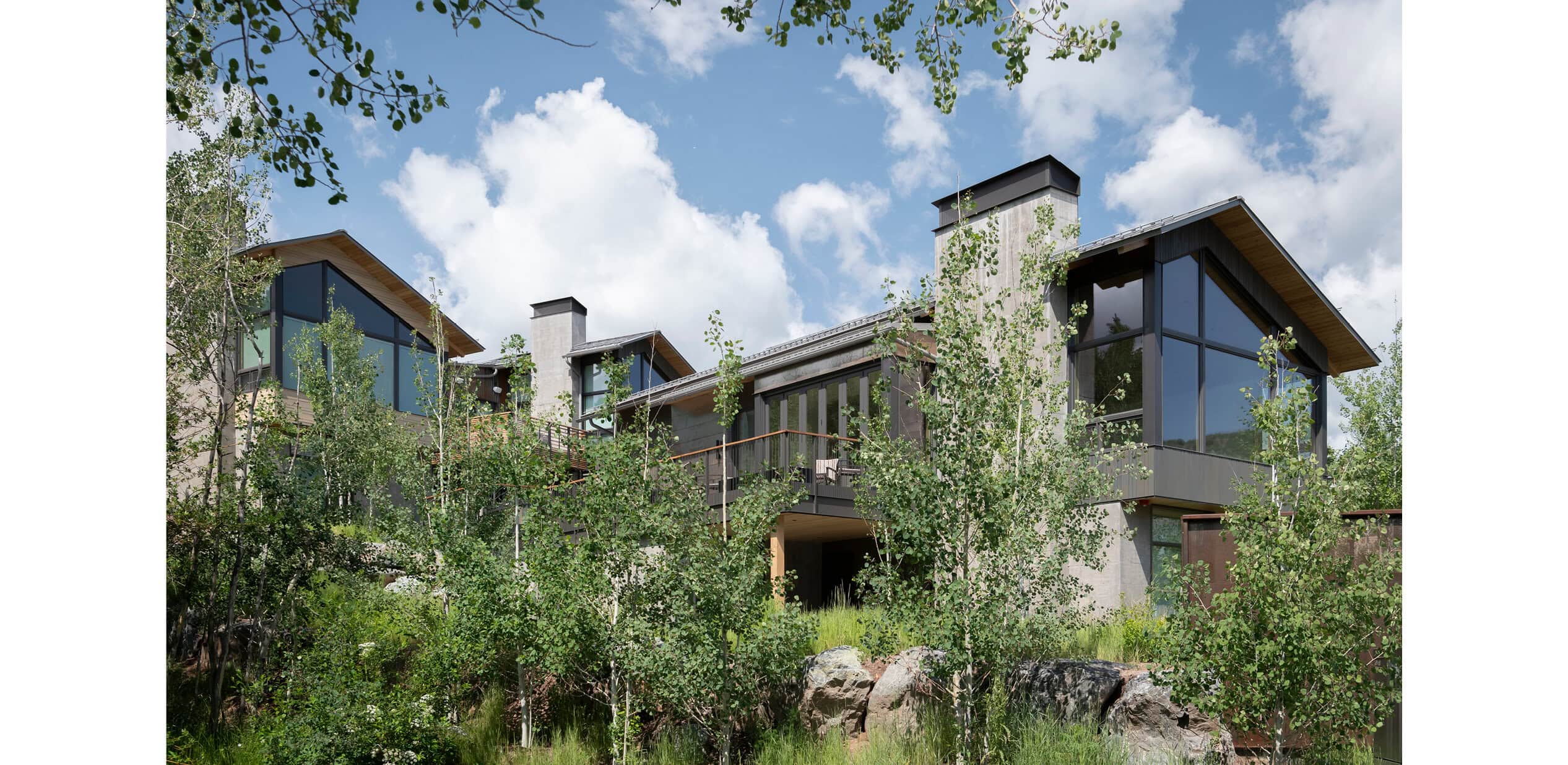
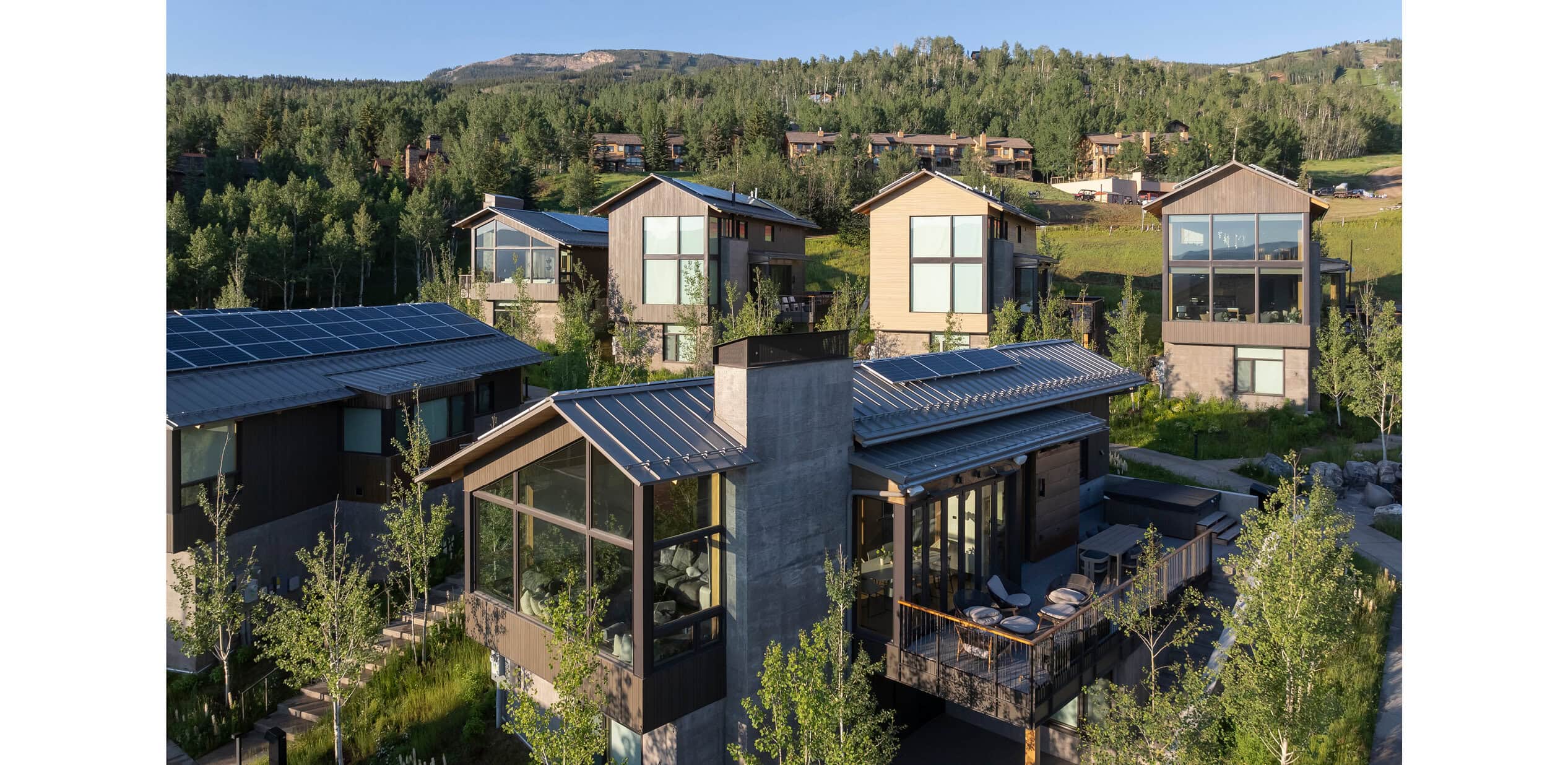
Highly visible on Snowmass Ski Resort, The Havens is leading a new form of resort development. LEED Platinum-certified, ten modernist homes are connected through a restored aspen meadow. By eliminating driveways to each door, shared space and rewilding of the interstitial landscape has transformed the way in which people perceive their community.
Narrative
Navigating Growth and Sustainability in the Mountain West
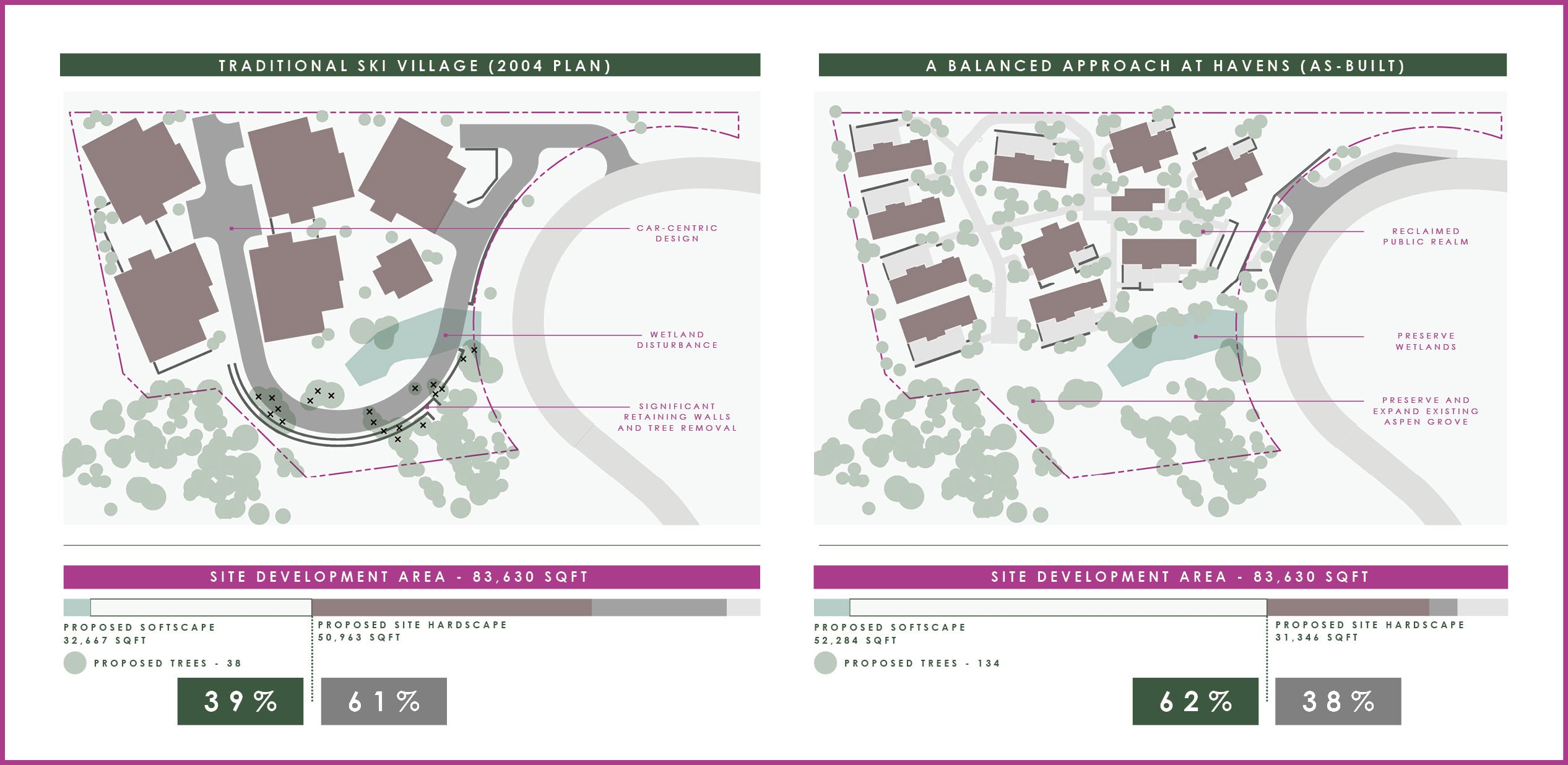
An accelerated urban exodus to mountain towns, combined with increased tourism-oriented economic opportunities, has created a planning conundrum in rural resort communities. Pressure for car-centric development is shaping small towns, affecting everything from transportation and affordable housing to open space conservation. Large-scale development on mountain hillsides are often driven by the need to maximize density and parking at the expense of fragile ecosystems, community space, and overall quality of living
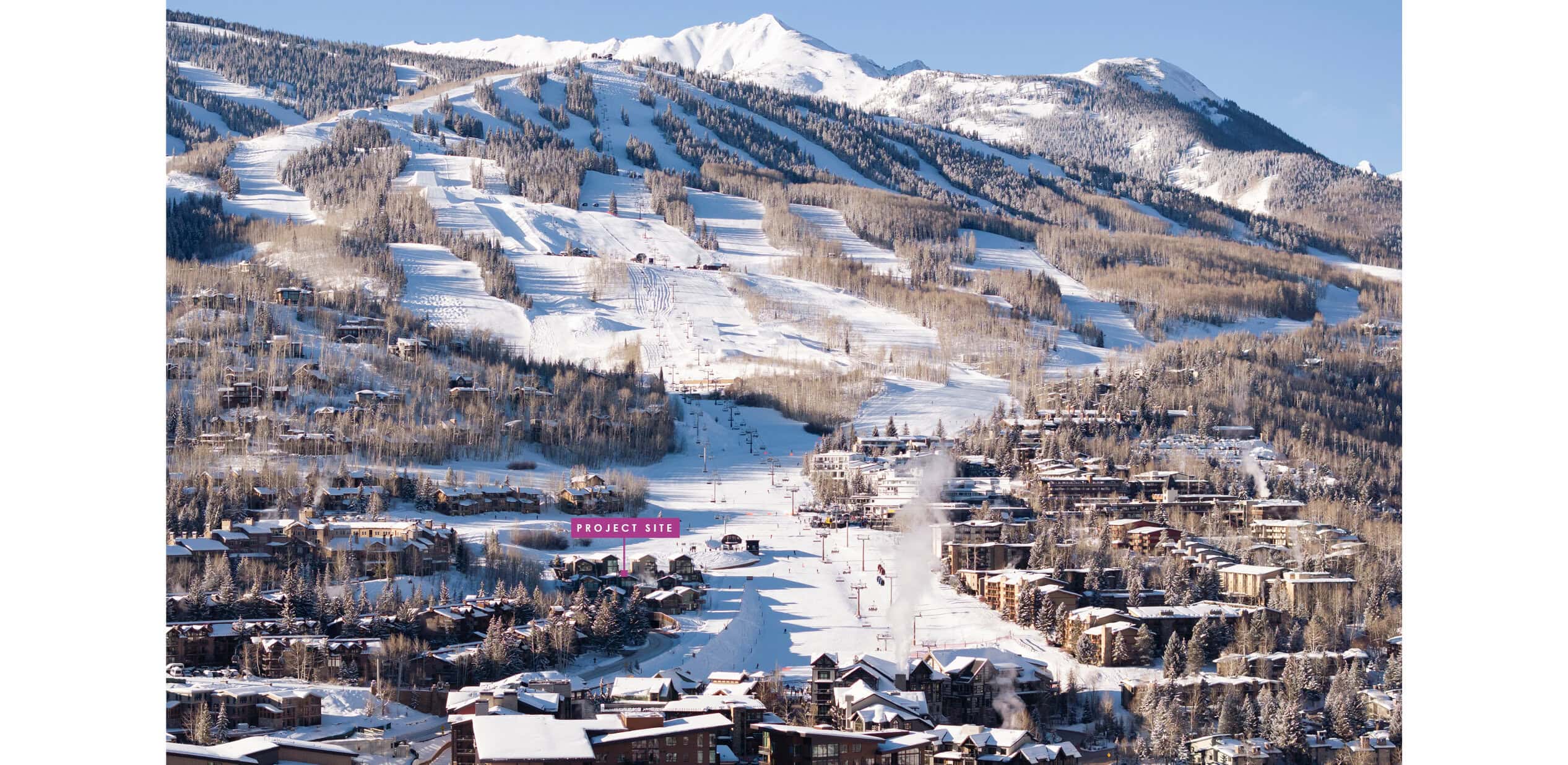
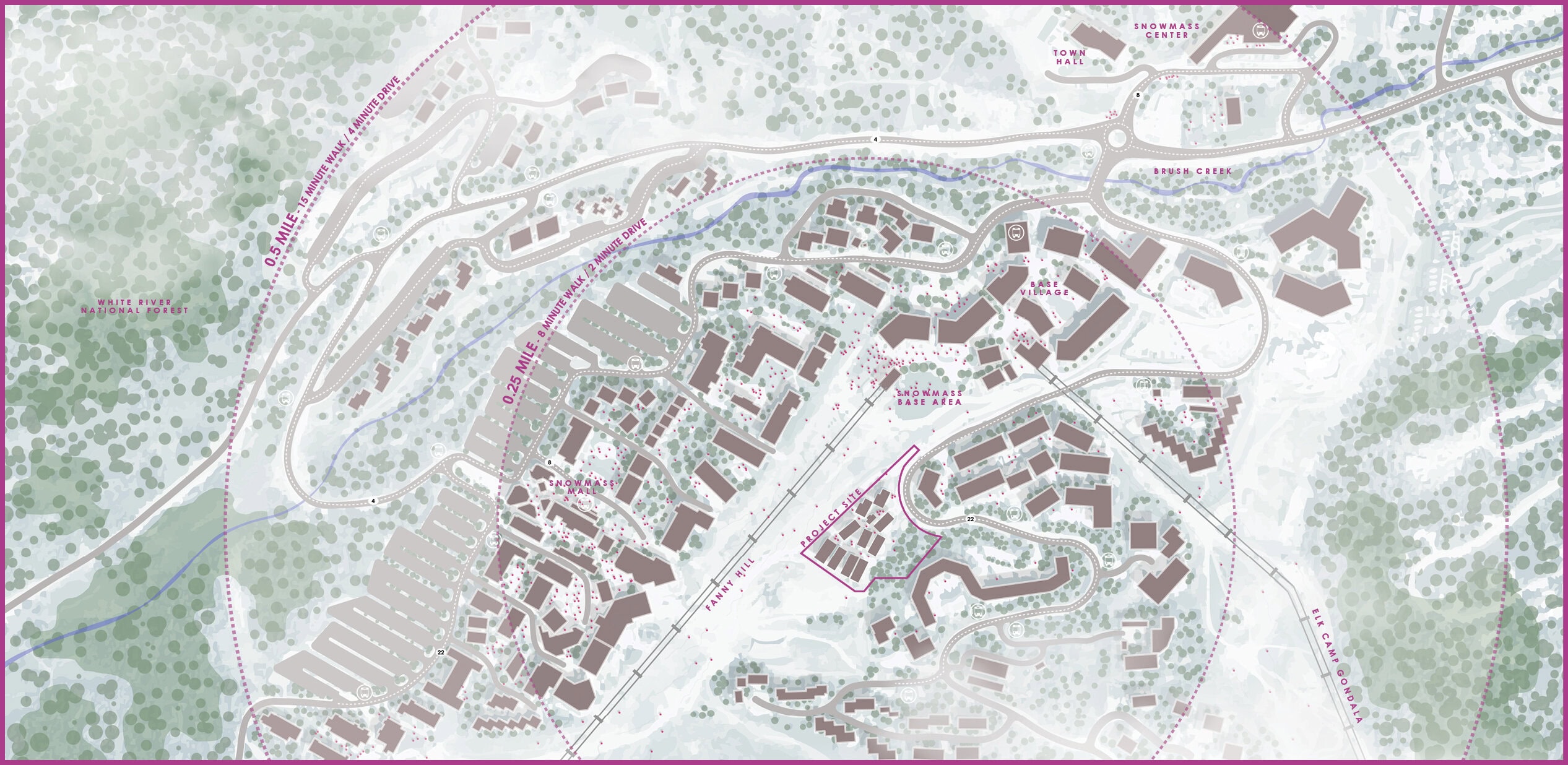
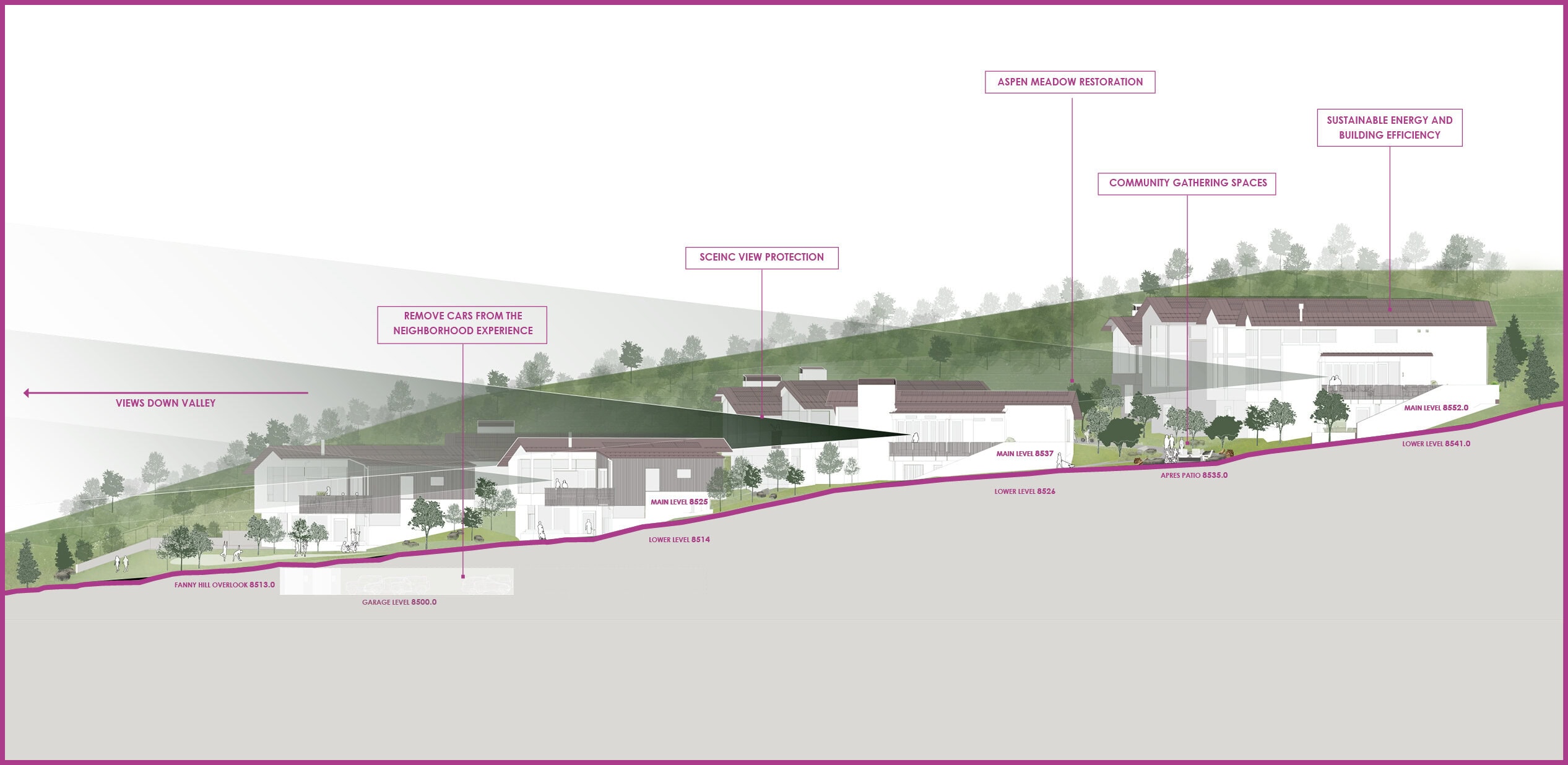
Snowmass Village, surrounded by the Elk Mountains, faces similar pressures. Situated on a major ski run, directly adjacent to the lively base operation, the 2-acre site – one of the last undeveloped parcels in town – presented a unique opportunity to implement innovative solutions that tackle the challenges facing many rural resort communities. At Havens, human-scale building footprints, pedestrian connectivity, shared amenities, and nature-based experiences all take precedence over cars.
Resilient Communities – Pocket Neighborhood Design in Action
Crafting a Neighborhood Unburdened by Cars: Utilizing the site’s natural slope, parking is discreetly placed below grade, preserving mountain views. Roads are replaced with landscaped pathways and shared amenities, eliminating vehicle noise and emissions. The Landscape Architect’s grading strategy creatively redistributed 23% of the total development area from vehicular use towards open space, enhancing the quality of living and the neighborhood’s connectivity to the broader context.
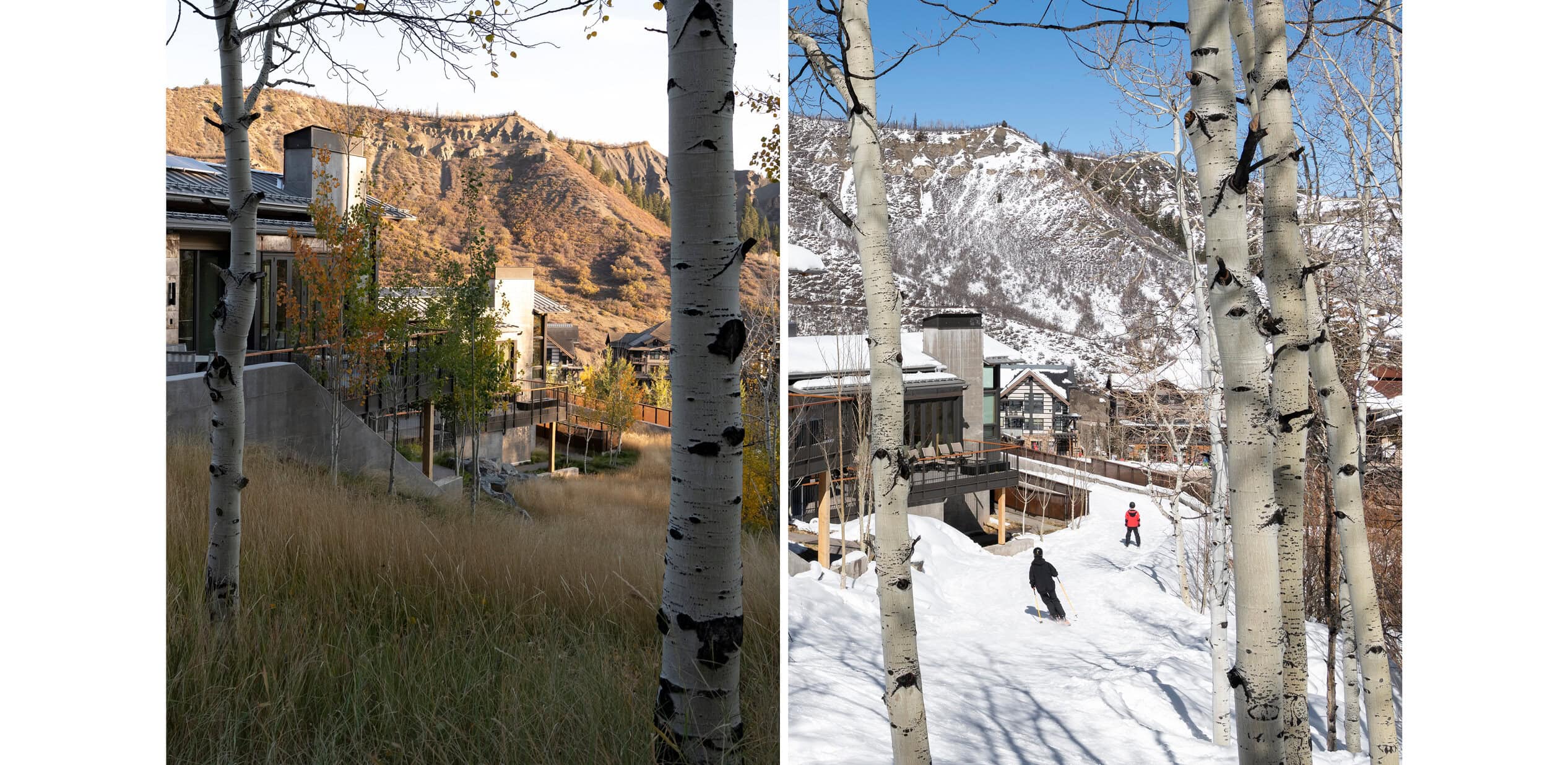
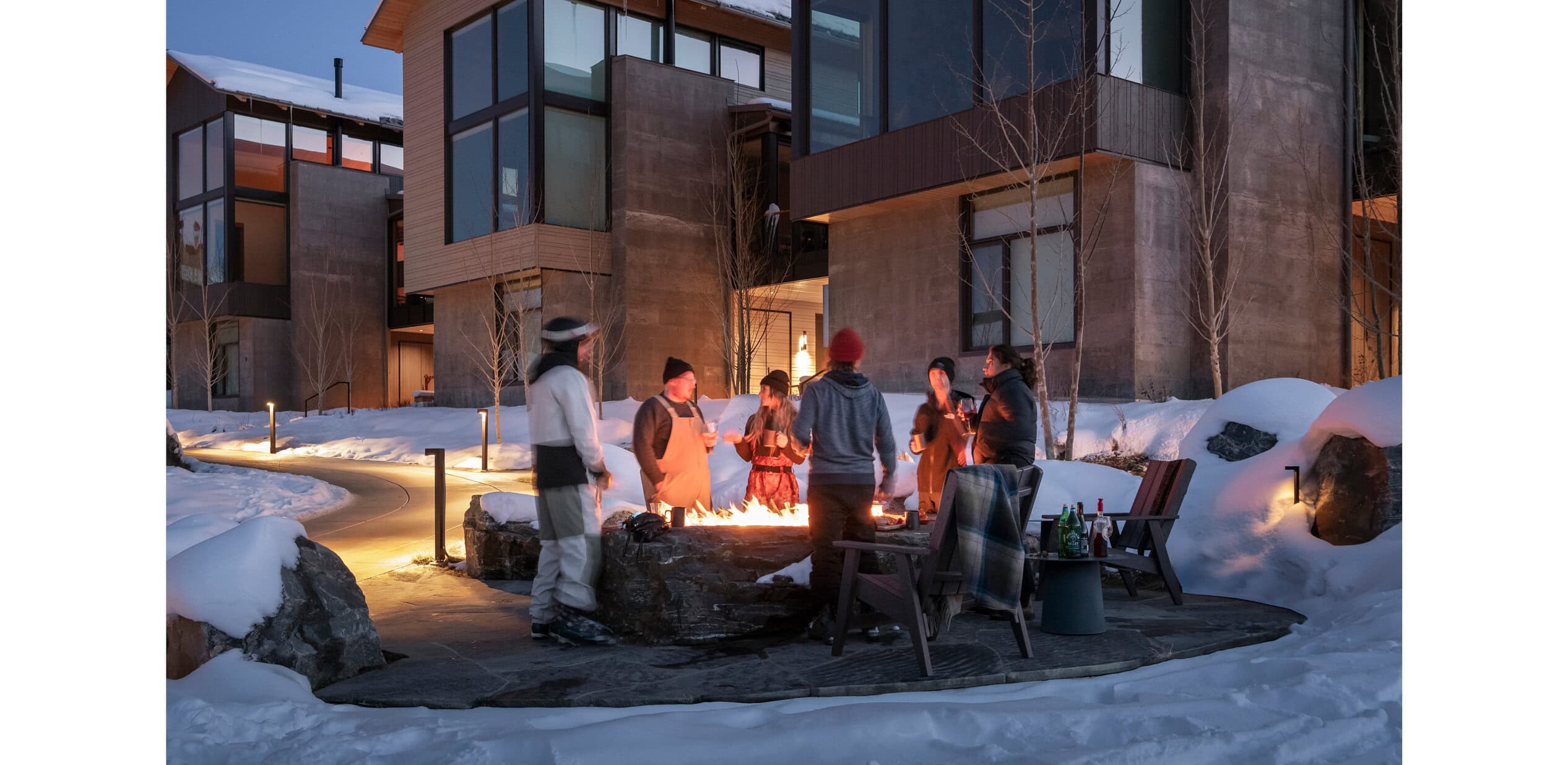
A Place of Refuge: By moving away from more typical large-scale development patterns, The Havens – meaning a place of refuge – prioritizes intimate balance between nature and recreation, offering residents both tranquility and active engagement with the outdoors. Summer picnic nooks and winter après areas are heavily celebrated shared spaces that further foster a sense of place and community.
Modern and Authentic Neighborhood Character: Inspired by the US Forest Service’s Built Environment Image Guide, The Havens is an authentic and modernist expression of traditional Rocky Mountain neighborhood character. The architecture, made from durable and natural site materials, emerge from a native landscape, creating a comfortable and casual setting.
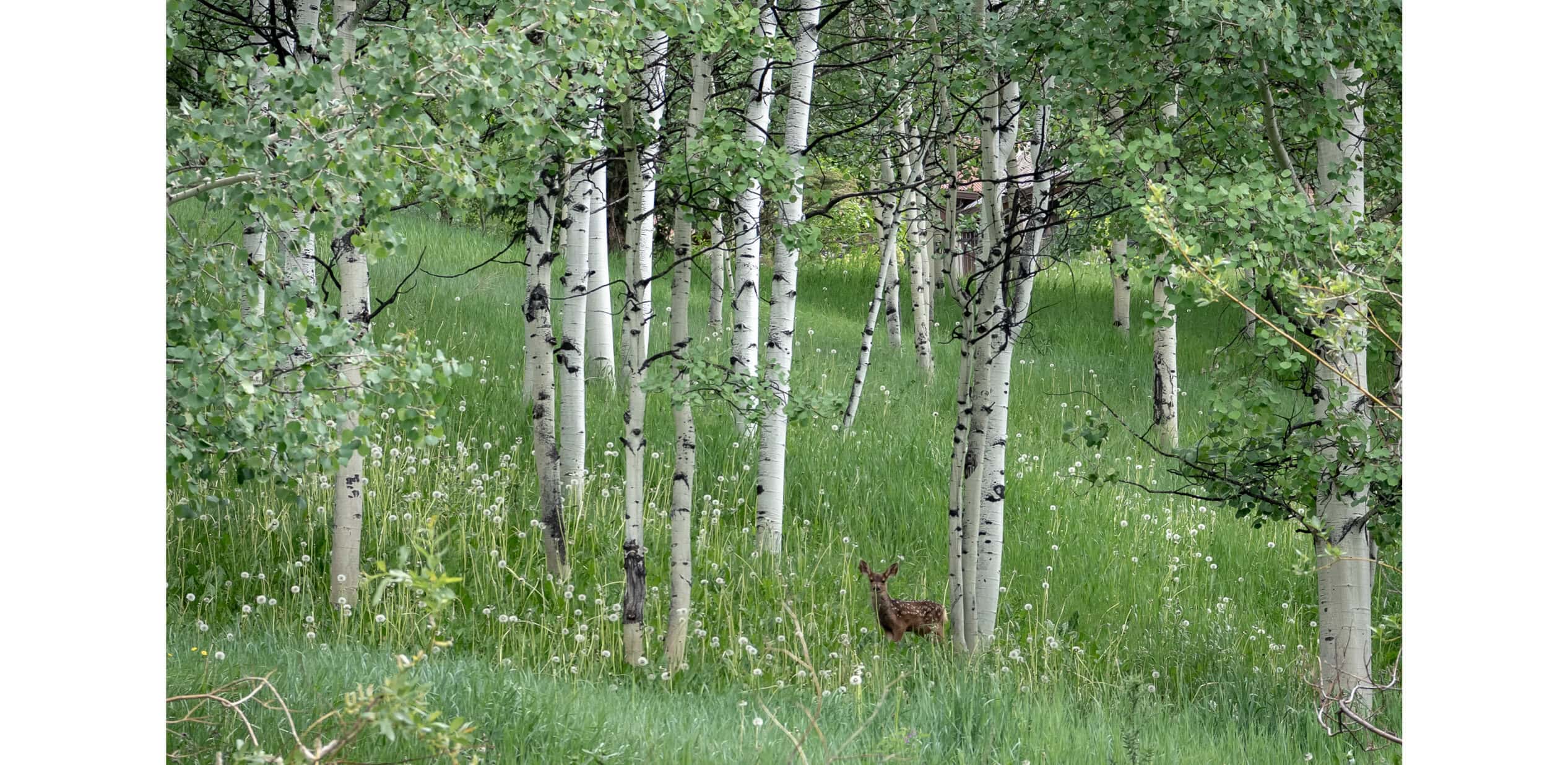
Native High Alpine Landscape: Rejecting conventional lawns, the landscape celebrates its natural environment by incorporating a native alpine meadow that permeates the site, supporting local pollinators, while lowering the site’s total water consumption by 75%. Informed by the site’s harsh environmental conditions, drought-tolerant native species were selected to ensure habitat continuity and ecological function into the future. New aspen trees provide privacy between homes; in a decade, the grove will mature to unite the neighborhood with the adjacent grove.
Paradigm Shift – A New Standard of Mountain-Living
Prioritizing people over cars is key to creating resilient, sustainable communities. This shift in design philosophy cultivates spaces that enhance social interaction, mobility, and a deeper connection to nature, thereby enriching everyday life. As an innovative model for sustainable development, The Havens demonstrates that thoughtful planning and design can achieve superior returns on investment without sacrificing development potential and quality of living.
Diversity, Equity, and Inclusion Project Features
N/A
Plant List
- Quaking Aspen
- Colorado Blue Spruce
- Red Osier Dogwood
- McKay’s White Potentilla
- Birchleaf Spirea
- Snowberry
- Shasta Daisy
- Dwarf White Lupine
- Rocky Mountain Penstemon
- May Night Salvia
- No Mow Fecue
- Native Seed Mix
Outstanding demonstration of utilization of the form and scaling the natural environment with a focus on people and relationships to the village.
- - ASLA Michigan Jury
Team Members
Landscape Architecture – Design Workshop, Inc. – Aspen, Colorado
- Darla Callaway, RLA, AICP – Principal
- Feras Abdallah, ASLA, RLA – Project Manager
- Mike Albert, FASLA, ASLA, RLA – Project Designer
- Margaret Plumb, ASLA, RLA – Project Designer
- Rachel Harper; Brock Efferson – Award Graphics
Architecture
- Lake Flato Architects
Civil Engineering
- Sopris Engineering
Contractor
- Shaw Construction
Contractor – Landscape
- GH Daniels
Energy Consultant
- Energy Logic
Lighting Designer
- Innovative Lighting Consultants
MEP Engineer
- BG Buildingworks
Structural Engineer
- KL&A Structural Engineering
Documents and Media
Planning Docs (if applicable):